How to bury a hamster at home, gently and properly
Dig a hole about two feet deep, away from water and vegetable beds, wrap your hamster in cloth or paper, and cover the grave with a flat stone. Home burial is a common goodbye: in a UK regulator's survey, 27% of owners[1] buried their pet at home.
By the Rodent Cremation Services editorial team · Updated September 24, 2026 · 5 min read · Sources
- The right depth, and why it matters
- What to use instead of a plastic tub
- Options for renters, apartments and frozen ground
The short answer
How do you bury a hamster properly?
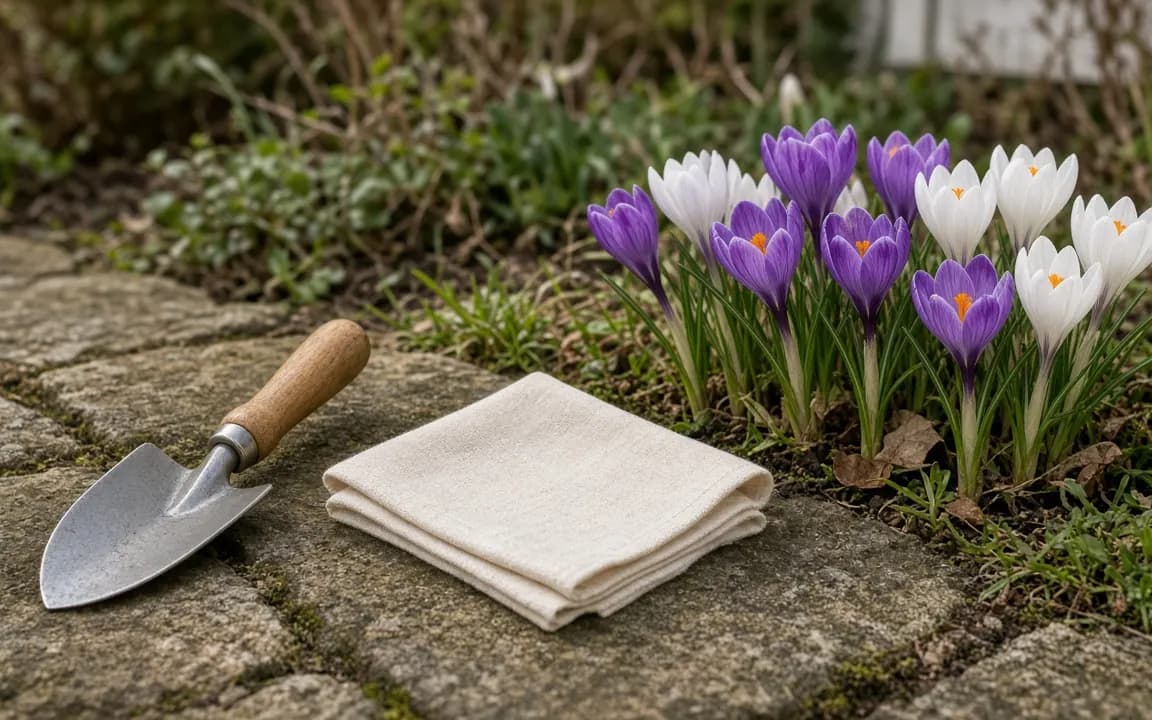
Choose a spot in your own garden that's dry, away from any well, stream or food crops, and dig down roughly two feet (60 cm). Lay your hamster in a biodegradable wrap or a cardboard box, fill the hole firmly, and put a heavy flat stone or paver on top so nothing digs it up. That's genuinely all it takes.
The details below help with the parts people worry about: whether it's legal, what to do if your hamster was euthanized, how to manage in a rented flat or midwinter, and how to turn a small hole in the ground into a goodbye your family will remember kindly.
Before you dig
Is it legal to bury a hamster in your garden?
You'd be in good company: the Competition and Markets Authority's UK owner survey found 27%[1] of owners buried their pet at home. In most of the US, UK, Canada and Australia, burying a small pet on land you own is allowed, provided it isn't near water sources and the animal wasn't a hazard to public health. A few places set specific rules. Germany, for example, requires at least 50 cm of soil[2] over a buried pet and bans it in water-protection zones. Dubai goes further: its municipality says animals may not be buried anywhere in the UAE[3].
- You own the property: generally fine, subject to local rules about depth and water.
- You rent: ask your landlord first, even for something this small. A deep planter is the easy alternative.
- Parks, beaches, woods and public land: almost always off-limits, however lovely the spot.
- A relative's garden: fine with their permission, and a good option if they're settled there long-term.
Our location pages note country and state burial rules where we've found them. If you're unsure, a two-minute call to your local council or city environmental office will settle it.
The practical part
How deep should you bury a hamster?
Two feet is a sensible minimum for a hamster, gerbil or mouse, and a little deeper for a rat. It sounds excessive for an animal that fits in your palm, but foxes, raccoons, cats and dogs can smell a small grave through a foot of soil. The heavy slab on top matters as much as the depth.
- Stay at least 30 feet from any well, pond or stream, and out of low spots that flood.
- Avoid vegetable beds and fruit bushes.
- Check for buried cables and pipes before you dig, especially near fences and paths.
- Pick somewhere you can see from a window if that feels comforting. Many families choose a sunny corner where the hamster's cage used to catch the light.
Wrapping and containers
What should you bury a hamster in?
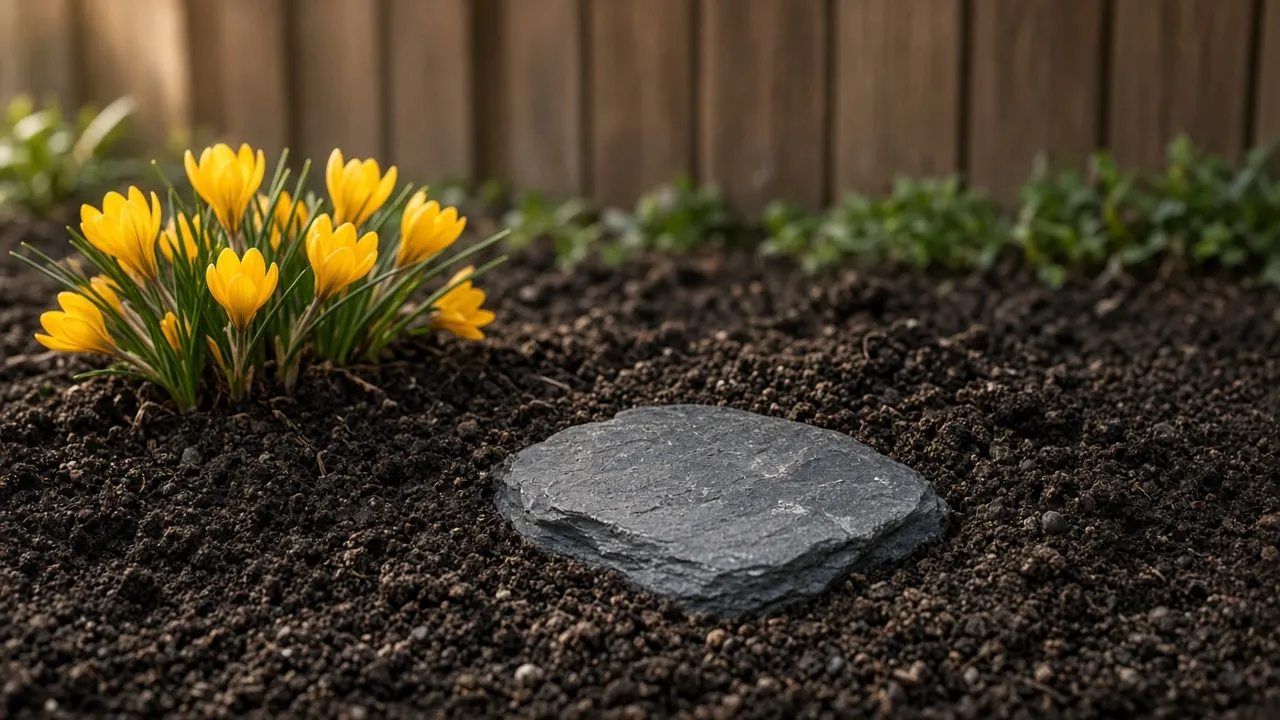
Choose materials that break down: a cardboard box, a small untreated wooden box, a cotton handkerchief, a paper bag, or a piece of their paper bedding. Plastic tubs, sealed tins and synthetic fleece last for decades and slow natural decomposition. Most people want something that feels dignified, and a cloth-wrapped pet in a decorated shoebox is exactly that.
You can add small things that belong with them: a few sunflower seeds, a favorite chew stick, a hand-drawn card. Skip anything metal or plastic. If your hamster died of an infection, bag the old bedding for your household waste rather than putting it in the grave, and wash your hands well afterward, as the CDC recommends for anyone handling small mammals.
| Container | Breaks down? | Notes |
|---|---|---|
| Shoebox or tea box | Yes, within a season or two | Easy to decorate; line with paper towel |
| Cotton cloth or pillowcase | Yes | Gentle and simple; wrap loosely |
| Small untreated wooden box | Slowly, over years | Feels more permanent; avoid varnished wood |
| Biodegradable pet urn or pod | Yes | Designed for ashes; the Bios pet urn costs $99[5] |
| Plastic tub or tin | No | Avoid for burial |
Renters, flats and winter
How can you bury a hamster if you don't have a garden?
A large, deep planter is the most popular answer. Use a pot at least 18 inches deep, put your wrapped hamster near the bottom, then fill with compost and plant something hardy on top. It lives on a balcony or doorstep and moves house with you. Our rodent aftercare services page explains planter burial alongside the other choices.
If the ground is frozen solid, you can keep your hamster wrapped and boxed in the freezer until the thaw. Label the box clearly. Many families do this in January and hold the burial on the first mild weekend, which can make a gentler occasion than digging in the snow.
When burial isn't possible at all, cremation is the natural alternative. Small-pet communal cremation sits at the bottom of every price list, and a private cremation returns a small amount of ashes you can keep or scatter. The aftercare options comparison helps you weigh it up, and our cost guide for rodent aftercare shows what each route really costs.
For a pet this small, which goodbye feels right to you?
Tap an answer to vote and see how others answered. Anonymous.
Making it meaningful
How do you hold a small burial ceremony for a hamster?
A hamster burial doesn't need to be long. Five or ten minutes is enough. Ask each person to say one thing they'll remember, even something small like the way she stuffed her cheeks or ran on the wheel at 2am. Let children place the box and add the first handful of soil if they want to.
- Plant something: a crocus bulb, lavender, or a pot of forget-me-nots marks the season each year.
- Paint a stone: children can paint the hamster's name on a smooth pebble. Engraved garden stones start at ~$39[6] by our estimate, if you'd like something permanent.
- Take a photo of the finished grave. It helps if you move house later.
- Read something: a short poem, a line the child writes, or simply their name.
Our memorial ideas for rodents has more gentle ideas, and parents may find the guide to talking with children about losing a rodent useful before the burial. You can also see how other families said goodbye on our poll results page.
A painted stone and a clump of lavender can mark a small life just as clearly as a headstone.
Burying ashes instead
Can you bury hamster ashes in a pot or garden?
Yes, and it avoids all the depth and scavenger worries. Keep in mind that pure cremated remains are strongly alkaline, at a pH of ~11.7[7], so a large amount placed straight against roots can harm a plant. With a hamster you'll have only a few grams, so mixing them into a generous amount of compost is usually enough.
For a sense of how little there will be, use the ashes weight estimator, which works in grams. If a pet cemetery appeals more than the garden, small-pet whole-body burial costs ~$350[8] by our estimate, the median of five US price lists we checked, and placing ashes in an existing family plot usually costs much less.
Free tool
Ashes weight estimator
See roughly how much ash to expect back, by species and body weight.

Reader polls
What would you choose?
Vote anonymously and see how other readers answered. The results are live counts from people who visit this site, so they show real opinions, not a scientific sample.
For a pet this small, which goodbye feels right to you?
Tap an answer to vote and see how others answered. Anonymous.
What would you most want to keep from your rat, hamster or mouse?
Tap an answer to vote and see how others answered. Anonymous.
Which memorial feels most like your pet?
Tap an answer to vote and see how others answered. Anonymous.


Questions people ask
How deep do you bury a hamster?
Aim for about two feet (60 cm), and cover the spot with a heavy flat stone or paver. Shallower graves are often dug up by foxes, cats or dogs. If your hamster was euthanized, go deeper still and always use the slab, because the drug stays in the body.
Should I bury my hamster in a plastic box?
It's better not to. Plastic doesn't break down and holds moisture, which slows natural decomposition. A cardboard box, cotton cloth or small untreated wooden box works well. If you've already used plastic, it isn't harmful to your garden, but choose something biodegradable if you can.
Can I bury my hamster in a flower pot?
Yes. Use a pot at least 18 inches deep, place your wrapped hamster near the bottom, and cover with plenty of compost before planting on top. It's a good choice for renters and apartment dwellers, because the planter can come with you when you move.
How long does it take a hamster to decompose when buried?
It depends on soil, moisture and temperature, but a hamster wrapped in cloth or cardboard in ordinary garden soil usually breaks down within a few months, with only tiny bones remaining after a year or so. Sealed plastic and very dry or waterlogged ground slow the process.
Can I bury my hamster in a park or the woods?
Almost everywhere, no. Burying animals on public land, including parks, woods, beaches and school grounds without permission, is usually against local rules. Choose your own garden, a willing relative's garden, a deep planter, or a pet cemetery. Scattering or burying a small amount of ashes is sometimes treated differently, so check locally.
What if I have to move house after burying my hamster?
Many people simply leave the grave and take a photo and a small plant cutting from the spot. A planter burial or cremation avoids the problem entirely. Digging up a buried pet is rarely pleasant or practical, so think about how long you'll stay before choosing where to bury.


Sources and our estimates
- [1] In the same CMA survey, 27% of UK owners buried their pet at home and 2% used a pet burial company elsewhere. UK Competition and Markets Authority - Veterinary services for household pets, Provisional decision report Part A (Oct 2025), 2025.
- [2] German home burial of pets requires at least 50 cm of soil cover and is not permitted in water- or nature-protection areas. deine-tierwelt.de - Tierbestattung: Diese Moeglichkeiten gibt es und das kosten sie (Nov 2023), 2023.
- [3] Dubai Municipality states it is not permissible to bury animals in the UAE; municipal disposal is mass cremation with no ashes returned. Khaleej Times - UAE: What to do if your pet dies; process, costs, law explained (Aug 2024, upd. Oct 2024), 2024.
- [4] Since 2003 the FDA has required euthanasia drug labels to warn that euthanized animals must be disposed of by deep burial, incineration or another approved method to keep scavenging wildlife from eating the carcass. Cornell Waste Management Institute & Penn State - Horse Mortality: Carcass Disposal Alternatives (2012), 2003.
- [5] The Bios Urn for pets, a biodegradable urn with a seed capsule, costs $99. Bios Urn – Pets, 2026.
- [6] Engraved pet garden stones start at about $39 at the median of three US sellers. Our estimate: median of starting prices [$38 Adirondack, $38.95 Memorials.com, $89.99 Comfort Co.]. How we calculate.
- [7] Cremated remains have a very high pH of approximately 11.7, which is toxic to plants without amendment. Larkspur Conservation — Giving Cremated Remains a New Life Through Science, 2024.
- [8] Across five posted US pet-cemetery price lists, the median whole-body burial for a small pet, including plot and opening/closing, was about $350. Our estimate: median of [Rainier $150 plot incl. first burial, Cedar Bend $290, Forest $350, Great River $750, Precious Memories $1,500]. How we calculate.
Can't bury at home? Get cremation options
Tell us what you need and where you are. We'll reply by email with clear options and prices so you can decide in your own time.