
Saying goodbye to your rodent companion is both a medical judgment and a values judgment. Rodent Cremation Services offers a practical quality-of-life frame for rodent families — not a script that decides for you.
What to track
Appetite, pain, mobility, respiratory comfort, interest in favorite activities, and whether good days still outweigh bad days. Write observations down; memory under stress is unreliable.
Species-informed context
Tumors in rats and acute illnesses in hamsters are common. Quality-of-life decisions may arrive quickly.
Hospice vs euthanasia
Palliative care can protect comfort when cure is not the goal. Euthanasia becomes the kinder option when suffering cannot be adequately relieved. Your veterinarian should help interpret species-specific pain and decline signs.
Aftercare link
Quality-of-life decisions pair better with aftercare pre-planning. Know your cremation preference and provider before the final appointment if you can.
Logistics reminder: Short lifespans mean families may face repeated losses. Establish a trusted provider relationship once rather than researching under acute grief each time.
Common questions
What if family members disagree on timing?
Ask the vet for a clear clinical picture, then appoint one decision lead. Prolonged conflict often increases the animal’s suffering.
Is it okay to choose euthanasia before “the last day”?
Many families later wish they had not waited for a crisis. Choosing a peaceful decline day can be an act of care.
Next step
Start a simple good-day/bad-day log this week if your rodent companion is declining. When you need rodent aftercare next steps, Rodent Cremation Services has concrete guidance ready.
Quality of life and saying goodbye to rodents
Quality-of-life decisions are veterinary and personal at once. Track function and comfort over time so a crisis night is not the first time you look clearly.
Mammary tumors in rats and acute illnesses in hamsters are common. Quality-of-life decisions may arrive quickly.
Signals worth tracking for rodents
Appetite, pain at rest, mobility or species-typical activity, respiratory comfort, interest in favored routines, hygiene stress, and whether good hours still outnumber bad. Exotic, avian, and aquatic signs can be subtle — partner with a species-competent clinician.
Stacked grief from repeated short-lifespan losses is real. Normalize support even when others say “starter pet.”
Pairing medical timing with aftercare readiness
Many guardians later wish they had not waited for collapse. Choosing a peaceful day, with aftercare already arranged, is often kinder than improvising vendors at 2 a.m.
Rodent filter: (1) Private if ash jewelry/mini urn desired. (2) Fur/print request early. (3) Child language plan for repeated short-lifespan losses. (4) One trusted provider saved for repeat use.
Write your aftercare preference before the hardest hour. Let the medical conversation stay about comfort; let the logistics conversation stay about the plan you already made.
Species-true detail
Rodents are not interchangeable with other companion or product paths. The phone calls that matter here sound like: acceptance for this rodent, ash or product intent, access notes, and which memorial format you will actually finish.
Rats, mice, hamsters, gerbils, and similar companions have tiny remains and often intense bonds — intensified by short natural lifespans and repeated losses.
Mammary tumors in rats and acute illnesses in hamsters are common. Quality-of-life decisions may arrive quickly.
Rodent filter: (1) Private if ash jewelry/mini urn desired. (2) Fur/print request early. (3) Child language plan for repeated short-lifespan losses. (4) One trusted provider saved for repeat use.
Private cremation often about $40–$120 when offered. Tiny memorials beat expensive large urns.
Same/next-day cycles are typical. Keep the provider card — short lifespans mean repeat use.
Stacked grief from repeated short-lifespan losses is real. Normalize support even when others say “starter pet.”
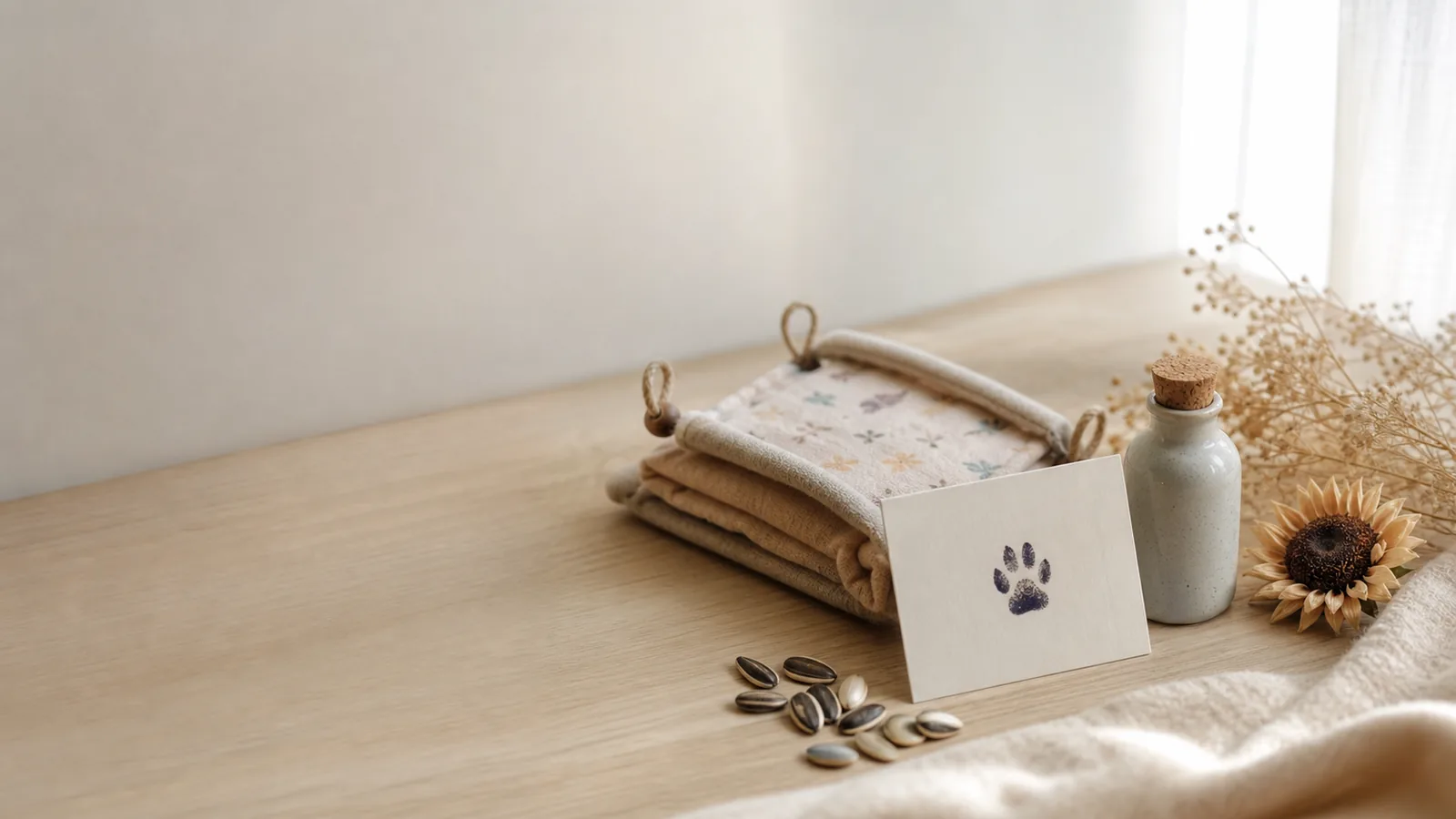
Tiny urns, fleece pouches, ink paw prints, and photo series across a rat’s expressive life can be especially meaningful.
If a provider or product page cannot answer rodent-specific questions without generic answers, look further. Rodents deserve specific guidance — not recycled content from generic pet resources.
Quick Poll
What type of memorial feels most meaningful to you?
Click an option to vote and see results
Closing discipline
Finish this article with one written constraint for rodents, one phone number or product requirement, and one memorial action you can complete within seven days. That triad beats open-ended browsing during shock.
Also ask: Can I memorialize without ashes? Yes. Photos, prints, rituals, and personal items are complete memorials.
Rodent field notes from Rodent Cremation Services
Size and remains reality. Rats, mice, hamsters, gerbils, and similar companions have small remains volumes but often intense bonds — especially given relatively short lifespans.
Money ballpark. Private context: commonly $40–$120 when a provider offers small-companion private cremation. Communal context: frequently chosen for cost; confirm whether any individual keepsake (fur clipping, print) is still possible. Process timing: typically brief; turnaround can be same or next day.
Ash / capacity guideline. keepsake jewelry or 1–3 cubic inch urns usually suffice
Logistics that change the day. Short lifespans mean families may face repeated losses. Establish a trusted provider relationship once rather than researching under acute grief each time.
Memorial pattern that fits your rodent companion. Tiny urns, fleece memory pouches, ink paw prints, and child-made memorials are especially fitting.
What is different about rodent situations
Rats, mice, hamsters, gerbils, and similar companions have tiny remains and often intense bonds — intensified by short natural lifespans and repeated losses.
Mammary tumors in rats and acute illnesses in hamsters are common. Quality-of-life decisions may arrive quickly.
Unlike rabbits/ferrets (small-mammal brand), rodent aftercare planning should assume you may need the same provider multiple times within a few years.
Grief context for rodent bonds
Stacked grief from repeated short-lifespan losses is real. Normalize support even when others say “starter pet.”
A rodent decision filter you can reuse
Rodent filter: (1) Private if ash jewelry/mini urn desired. (2) Fur/print request early. (3) Child language plan for repeated short-lifespan losses. (4) One trusted provider saved for repeat use.
Rodent Cremation Services keeps this journal focused on rodent aftercare. Every article is written with rodent-specific knowledge — because your questions deserve answers built around your companion.
A worked rodent example
Imagine you are deciding this topic for your rodent companion tonight. Write three lines on paper: (1) ash return yes/no or product job, (2) one access or species constraint, (3) one memorial action you can finish within a week. Then make only the calls or purchases that serve those three lines.
If family members disagree, separate “must have ashes / must have a ceremony / must have a wearable” from aesthetic preferences. Rodent Cremation Services exists so rodent households can name those constraints in species-true language.
Rodent checklist for this topic - Confirm small-companion private tracking - Ask about fur clippings or prints before cremation - Prepare siblings/children for short natural lifespans without minimizing love - Re-read the rodent decision filter above and circle your non-negotiable - Write down who is authorized to approve release, pickup, or product receiving - Capture one timeline commitment (ash return, engraving, ceremony, or planting season) - Confirm one tangible keepsake request before transport if that matters to your household
Rodent-specific mistakes to refuse - Treating rodent logistics like a generic “pet” brochure problem - Skipping acceptance, capacity, climate, or legal checks that matter for rodent paths - Letting convenience override tracking, policy, or species-handling questions - Making permanent aesthetic commitments in the first numb hours when a temporary plan would do - Shopping memorial products before ash-return intent and capacity are clear - Ignoring this grief reality: Stacked grief from repeated short-lifespan losses is real. Normalize support even when others say “starter pet.”
Life-stage and health context
Tumors in rats and acute illnesses in hamsters are common. Quality-of-life decisions may arrive quickly.
Common questions
What should I confirm first for a rodent?
Acceptance, private vs communal definition, timeline, and what is included in the quote.
Can I memorialize without ashes?
Yes. Photos, prints, rituals, and personal items are complete memorials.
How is this different from generic pet advice?
Rodent Cremation Services focuses on rodent-specific logistics, costs, and memorial patterns — not a single essay with the species noun swapped.
What should I do in the next twenty minutes?
Write one constraint, one phone number or product requirement, and one keepsake/timing request. That beats open-ended browsing.
Who wrote this?
This article is published by Rodent Cremation Services. It is educational guidance for rodent families — not a personal medical, legal, or counseling byline.
Next step with Rodent Cremation Services
Write your non-negotiable for this rodent decision on one line. Make the next call or purchase only inside that constraint. Rodent Cremation Services publishes focused guidance so fewer families invent a plan under shock.
Need a real person to talk this through with?
Use our guidance form if you want follow-up help, or browse location guides to compare options in your area. We do not operate a call center or claim a verified local provider network.
Filed Under
Ask Our AI Assistant
Have questions about pet aftercare? Our AI assistant — powered by the latest technology and trained on comprehensive pet aftercare knowledge — can help. Try asking: